June 26, 2026
Why Building Management Is Getting Smarter, And Why That Matters for You
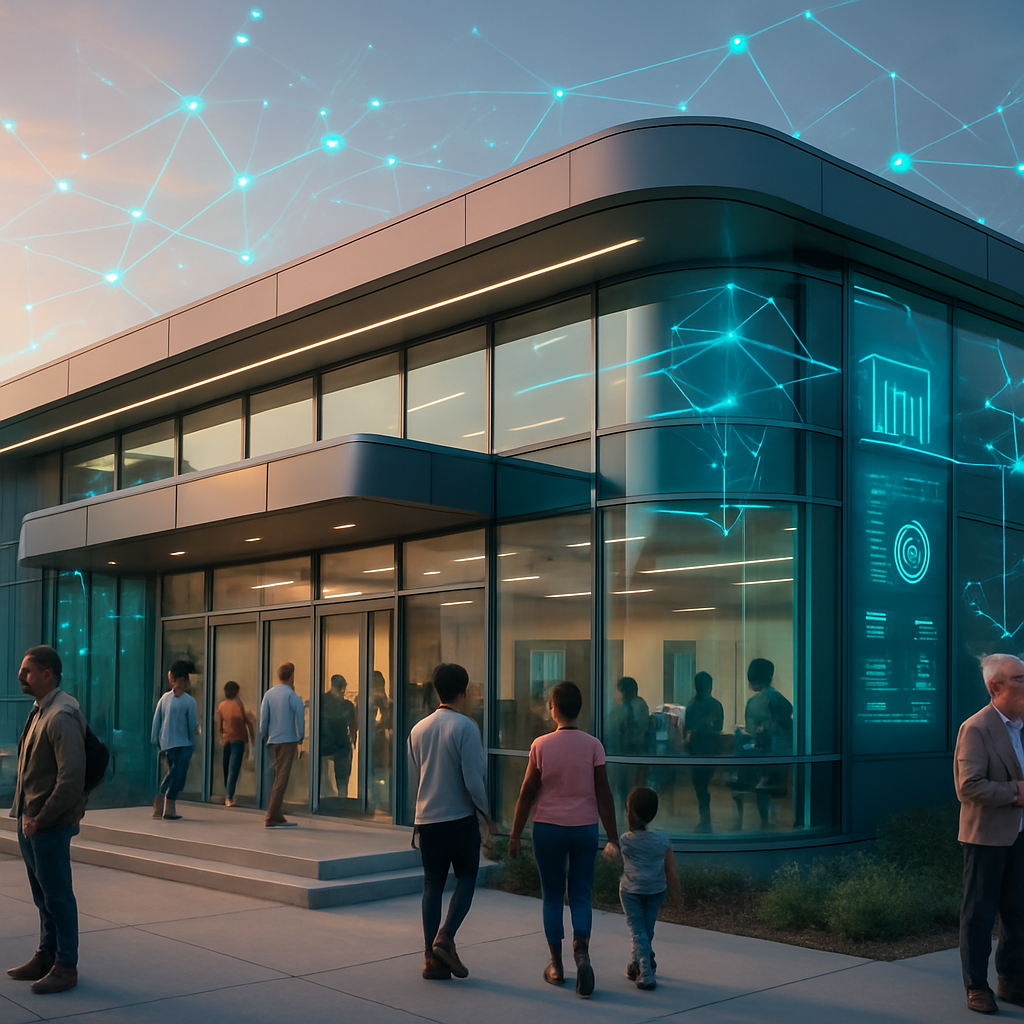
If you manage a commercial building, a rental property, or even a large home, you've probably noticed that keeping everything running smoothly is getting more complex by the day. Energy costs are rising, tenant expectations are higher than ever, and maintenance issues seem to pop up at the worst possible moments. That's exactly why integrating AI into building management systems has become one of the most talked-about upgrades in property management right now, and for good reason.
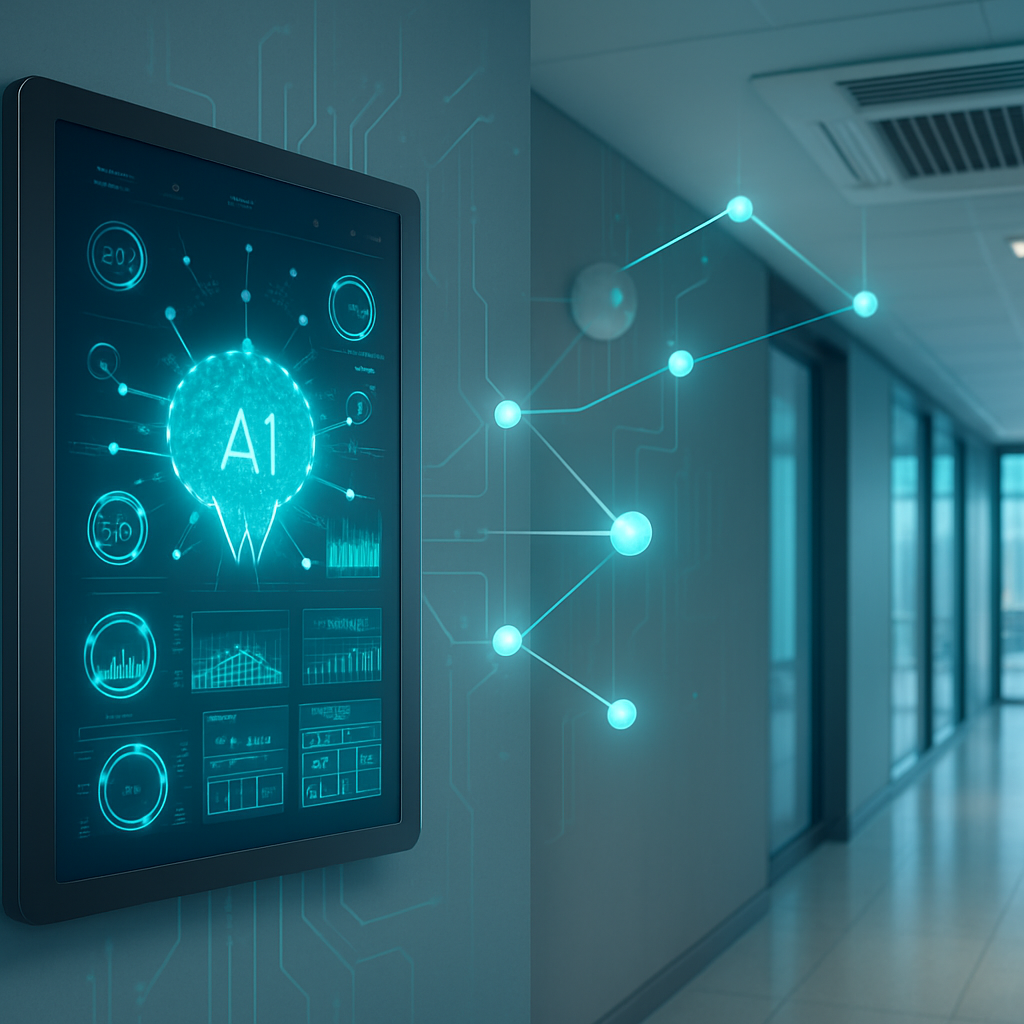
AI agents can monitor your HVAC systems around the clock, predict equipment failures before they happen, and adjust lighting and temperature based on occupancy patterns. Most buildings already have management infrastructure in place. The real challenge is how to integrate AI without disrupting what's already working.
In this post, we're going to walk you through the best practices for integrating AI building management tools into your current setup, so you can modernize smartly without headaches.
Understanding What AI Agents Actually Do in a Building Management System
AI agents in building management are not fancy thermostats. They're intelligent software systems that can:
- Collect and analyze data from sensors, meters, and control systems in real time
- Identify patterns in energy usage, foot traffic, and equipment performance
- Make automated decisions, like adjusting HVAC output or triggering a maintenance alert
- Learn over time and improve their recommendations based on historical data
- Communicate across multiple building systems through a central platform
Think of an AI agent as a very attentive building supervisor who never sleeps, never misses an anomaly, and gets smarter every month. When implemented well, it becomes one of the most valuable tools in your property management toolkit.
The Difference Between Automation and AI
Not all "smart" building technology is AI-powered. Basic automation, like a timer that turns lights off at 9 PM, is useful but limited. It follows fixed rules. AI, on the other hand, adapts. It notices that your conference room is typically empty on Friday afternoons and starts adjusting the climate control accordingly, without you having to program that exception manually.
This distinction matters when you're evaluating vendors and deciding what level of intelligence your building actually needs.
Best Practices for Integrating AI Building Management Into Your Existing Systems
Now for the practical stuff. Whether you're managing a 10-unit apartment complex or a multi-floor commercial office building, these best practices will help you get the most out of your AI integration, and avoid the most common mistakes.
1. Start with a Thorough Audit of Your Current Systems
Before you bring in any new technology, you need a clear picture of what you already have. This means documenting every system that touches your building's operations, including:
- HVAC and climate control systems
- Lighting controls
- Security and access systems
- Energy meters and submeters
- Elevators and mechanical equipment
- Fire safety and suppression systems
- Existing building management software (BMS or BAS platforms)
Note the age of each system, the communication protocols they use (BACnet, Modbus, LonWorks, etc.), and whether they already generate data that can be collected. This audit will tell you which systems are ready for AI integration and which ones might need an upgrade first.
2. Define Clear Goals Before You Buy Anything
It's tempting to jump straight to demos and vendor comparisons, but the most successful AI integrations start with a clear set of goals. Ask yourself:
- Are we trying to reduce energy costs?
- Do we want to improve tenant comfort and satisfaction?
- Are we trying to reduce emergency maintenance calls?
- Do we need better compliance reporting?
- Are we looking to increase the overall value of the property?
Your goals will shape everything, which AI platform you choose, which systems you prioritize, and how you measure success. Without them, it's easy to end up with a powerful tool that isn't solving your actual problems.
3. Choose Platforms That Support Open Standards
One of the biggest pitfalls in building AI integration is vendor lock-in. Some AI platforms only work with their own hardware or proprietary protocols, which means you might end up replacing perfectly good equipment just to make the software work.
Look for platforms that support open protocols like BACnet/IP, MQTT, or REST APIs. These standards allow different systems, even from different manufacturers, to talk to each other. It gives you flexibility now and protects your investment down the road when technology inevitably evolves.
4. Use a Phased Implementation Approach
You don't have to integrate everything at once. In fact, we'd strongly recommend against it. A phased approach lets you:
- Test the technology on a lower-risk system first: energy monitoring is a great starting point
- Build internal confidence among your team before rolling out to critical systems
- Identify integration issues early when they're easier and cheaper to fix
- Demonstrate ROI from Phase 1 before committing budget to Phase 2
For example, you might start by connecting your energy meters to an AI analytics platform and spending a few months understanding your consumption patterns. Once that's running smoothly, you add HVAC control. Then lighting. Then predictive maintenance. This step-by-step approach is less disruptive and almost always leads to better outcomes.
5. Prioritize Data Security From Day One
AI building management systems are incredibly data-rich environments. They collect information about who's in the building, when, how energy is being used, and how every piece of equipment is performing. That data is valuable, which also means it needs to be protected.
Here's what good data security looks like in this context:
- Encrypted data transmission between sensors, controllers, and the AI platform
- Role-based access controls (not everyone needs access to everything)
- Regular security audits of connected devices and software
- Clear vendor contracts that specify who owns the data and how it can be used
- Compliance with relevant regulations (GDPR, CCPA, local building codes)
Data security is a property management responsibility, not only an IT one. If you're managing residential tenants, they have a reasonable expectation of privacy, and you have a legal responsibility to protect their data.
6. Train Your Team, and Keep Training Them
Even the best AI system will underperform if the people using it don't understand how it works. Plenty of expensive integrations go sideways simply because the building management team wasn't properly onboarded.
Make sure your training covers:
- How to interpret dashboards and AI-generated alerts
- When to trust the AI's recommendations and when to override them
- How to flag anomalies or incorrect predictions so the system can learn
- Basic troubleshooting for connectivity and data issues
Also remember that AI systems evolve. Schedule quarterly check-ins or training refreshers as the platform updates and your team's usage patterns mature.
7. Set Up Monitoring and Performance Benchmarks
How will you know if the integration is working? You need to establish baseline measurements before you go live, and then track meaningful KPIs over time. Common metrics include:
- Energy consumption (kWh per square foot)
- HVAC runtime and efficiency ratings
- Number of unplanned maintenance events
- Tenant or occupant comfort scores
- Response time to maintenance requests
- Overall operating costs per month
Review these metrics at regular intervals, monthly at first, then quarterly once things stabilize. If you're not seeing improvement in your target areas after six months, it's time to reassess your configuration or reach out to your vendor for support.
Common Challenges (and How to Handle Them)
Even with the best planning, you're likely to run into some bumps along the way. Here are a few of the most common challenges and how to navigate them.
Legacy Equipment That Doesn't Communicate
Older buildings often have equipment that predates modern communication protocols. A rooftop HVAC unit from 2005 might not have any way to send data digitally. In these cases, you have a few options: install add-on IoT sensors that can read analog signals and convert them to digital data, upgrade the equipment if it's near end-of-life anyway, or simply exclude that piece of equipment from the AI integration for now and revisit it later.
Resistance from Maintenance Staff
Some facilities teams worry that AI will replace their jobs. In reality, AI makes their jobs easier and more strategic, they spend less time on reactive fire-fighting and more time on meaningful improvements. Frame the technology as a tool that works for them, not against them. Involve maintenance staff early in the implementation process and ask for their input. They often have the most practical knowledge about how systems actually behave.
Overcomplicating the Setup
It can be tempting to configure every alert, tune every parameter, and optimize everything at once. Resist that urge. Start simple. Let the AI learn from real conditions before you layer in complex rules and exceptions. Most platforms have default configurations that work reasonably well out of the box, let them run for a while before customizing heavily.
What a Successful AI Integration Actually Looks Like
Let's paint a quick picture. Imagine a mid-sized office building with 50,000 square feet of commercial space. Before AI integration, the building manager was spending hours each week manually reviewing energy reports, responding to tenant complaints about temperature, and dealing with surprise HVAC failures.
After a phased AI integration, here's what could change:
- Energy costs could drop if the AI identified that the building was conditioning unoccupied spaces during off-hours
- Maintenance calls could drop once the AI began flagging equipment showing early signs of wear
- Tenant satisfaction scores could improve as temperature complaints are addressed automatically through real-time adjustments
- The building manager could reclaim time that had previously gone to manual monitoring tasks
None of this would happen overnight. It takes planning, good vendor support, and a committed team.
Start Small, Build on What Works
Integrating AI into your building management system is one of the more consequential investments you can make in your property. Start with a clear audit, set goals before you shop, choose flexible open-standard platforms, go in phases, protect your data, and train your team. Each step builds on the last, and getting the early ones right makes everything after them easier.
For more on how AI and automation are changing business operations, browse our other articles.