August 9, 2026
Why Backlinks Still Matter for Your Small Business Website
If you've been trying to grow your business online, you've probably heard that backlinks are important. Understanding why they matter and knowing how to acquire more backlinks are two different problems. You don't need a massive marketing budget or a technical background to start building a stronger backlink profile. You need the right strategy and some consistency.
Think of backlinks as votes of confidence from other websites. When a reputable site links to yours, search engines like Google take that as a signal that your content is trustworthy and worth showing to more people. The more quality votes you collect, the better your chances of ranking higher in search results, and the more customers you can reach.
Let's break down exactly how you can start earning those links today.
What Makes a Good Backlink?
Before you start chasing every link opportunity you can find, it helps to know what actually moves the needle. Not all backlinks are created equal, and a handful of high-quality links will do far more for your site than hundreds of low-quality ones.
Here's what makes a backlink valuable:
- Relevance: The linking site covers topics related to your industry or niche.
- Authority: The site has a strong reputation and ranks well itself.
- Placement: The link appears naturally within the body of an article, not buried in a footer or sidebar.
- Anchor text: The clickable text used for the link is descriptive and contextually appropriate.
- Traffic: The linking page actually gets visitors, which means real people might click through to your site.
Keep these qualities in mind as you work through the strategies below. Always aim for quality over quantity.
Proven Strategies to Acquire More Backlinks
There's no single magic trick that works for everyone. The best approach combines a few different tactics and plays to your strengths as a local business owner. Here are some of the most effective methods you can start using right now.
1. Create Content Worth Linking To
This one sounds obvious, but it's the foundation of everything else. If your website doesn't have content that's genuinely useful or interesting, there's no reason for anyone to link to it.
You don't need to write a 5,000-word research paper. As a small business owner, you have expert knowledge that other people in your community and industry would find valuable. Think about what your customers ask you most often, and start there.
Types of content that tend to attract backlinks naturally include:
- How-to guides and tutorials
- Local resource lists (like "Best Places to [Do X] in [Your City]")
- Original data, surveys, or case studies from your own experience
- Frequently asked question pages that go deep on a topic
- Infographics or visual explainers
The key is to create something that a blogger, journalist, or fellow business owner would want to reference when writing their own content.
2. Get Listed in Local and Industry Directories
Directory links might not carry as much weight as editorial links from top publications, but they're still worth having, especially for local SEO. Getting your business listed in reputable directories gives you a quick win while also helping potential customers find you.
Start with these well-known directories:
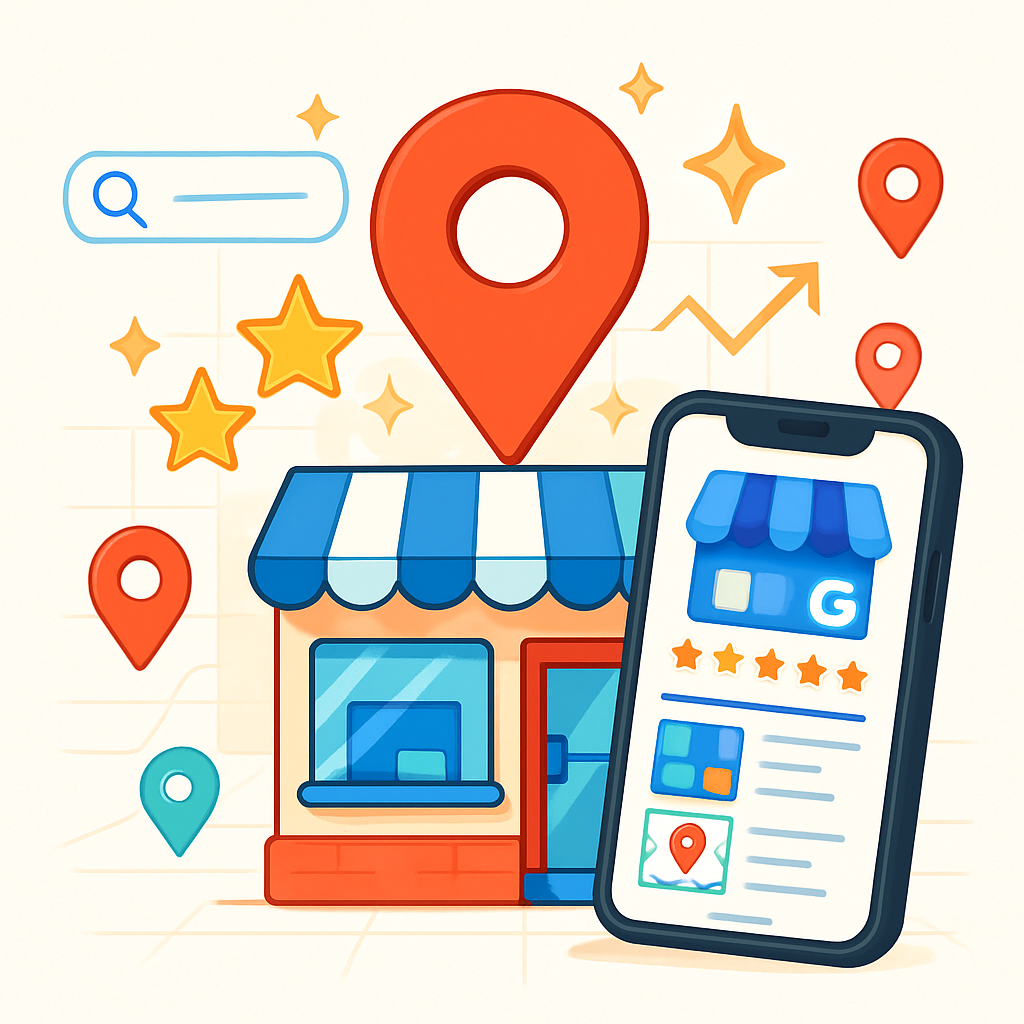
- Google Business Profile
- Yelp
- Bing Places
- The Better Business Bureau (BBB)
- Your local Chamber of Commerce website
- Industry-specific directories relevant to your trade
Make sure your business name, address, and phone number are consistent across all listings. This consistency (called NAP consistency) also helps your local search rankings.
3. Reach Out to Local News and Blogs
Local journalists and bloggers are always looking for interesting stories, expert opinions, and community news. As a small business owner, you're a natural source for all three.
Here's how to get on their radar:
- Introduce yourself: Send a friendly email to local news sites or blogs in your area. Let them know who you are, what you do, and that you're available as a source for stories in your industry.
- Share a newsworthy angle: Did you just hit a milestone? Launch a new product? Partner with a local charity? That's a story worth pitching.
- Offer expert commentary: If a local journalist is writing about a topic in your field, reach out and offer your perspective. Getting quoted in an article usually means getting a backlink too.
This approach takes a bit of effort, but a single link from a respected local news site can make a real difference in your search visibility.
4. Write Guest Posts for Other Websites
Guest posting means writing an article for someone else's website in exchange for a link back to yours. It's one of the most reliable ways to build backlinks when done the right way.
The key phrase there is "the right way." You want to write for websites that are actually relevant to your audience, and you want the content to be genuinely helpful, not just a thin article stuffed with links to your own site.
Here's a simple process to get started:
- Search for blogs or websites in your niche that accept guest contributions.
- Read their existing content to understand their tone and audience.
- Pitch a topic idea that fills a gap in their content, something their readers would love but that they haven't covered yet.
- Write a high-quality article and include one natural link back to a relevant page on your website.
Even landing one or two guest posts per month can meaningfully grow your backlink profile over time.
5. Build Relationships With Other Local Businesses
You probably already know other business owners in your area. Those relationships are more valuable than you might realize when it comes to link building.
Consider these partnership opportunities:
- Cross-promotions: Feature each other in blog posts or social media content, with links included.
- Supplier or partner pages: Many businesses have a "partners" or "preferred vendors" page on their website. Ask to be included if it makes sense.
- Co-hosted events or webinars: Promote the event on both websites with links to each other.
- Testimonials: Write a genuine testimonial for a product or service you use. Many companies publish these on their websites with a link back to the reviewer's site.
These relationship-based links feel natural and are the kind that search engines love.
6. Use the Broken Link Building Method
This technique takes a little more effort, but it's surprisingly effective. The idea is to find links on other websites that no longer work (pointing to pages that have been deleted or moved), and then suggest your content as a replacement.
Here's how to do it:
- Find a website in your niche that has a resource page or list of helpful links.
- Use a free tool like Check My Links (a Chrome extension) to scan the page for broken links.
- If you find one, check whether you have content on your site that could serve as a replacement.
- Reach out to the site owner, politely let them know about the broken link, and suggest your page as an alternative.
Most website owners appreciate the heads-up, and many will happily update the link, especially if your content is a good fit.
7. Reclaim Your Unlinked Mentions
Here's an easy win you might be overlooking. There are probably websites out there that have mentioned your business by name without actually linking to your site. These unlinked mentions are low-hanging fruit for link building.
Use Google Alerts or a tool like Mention to track whenever your business name shows up online. When you find a mention without a link, send a friendly message to the site owner and ask if they'd be willing to add one. Because they're already talking about you, the ask is completely natural and rarely comes across as pushy.
What to Avoid When Building Backlinks
As you work on growing your link profile, it's just as important to know what not to do. Some tactics that look like shortcuts can actually hurt your rankings and get your site penalized by Google.
Avoid these practices:
- Buying links: Paying for backlinks violates Google's guidelines and can lead to serious penalties.
- Link exchanges: Agreeing to link to a site just because they'll link back to you (especially at scale) is a red flag for search engines.
- Spammy directories: Getting listed in low-quality, irrelevant directories does more harm than good.
- Private blog networks (PBNs): These are networks of websites created solely to generate backlinks. They're against Google's rules and the risk isn't worth it.
Stick to earning links through genuine value and real relationships. It takes longer, but it lasts.
How Long Does It Take to See Results?
This is one of the most common questions business owners have, and the honest answer is: it depends. SEO is a long game. You might start to see small improvements within a few months, but significant results from link building typically take six months to a year of consistent effort.
The links you earn today can continue working for years. Unlike paid ads that stop the moment you turn off the budget, a strong backlink profile keeps compounding over time.
Focus on steady progress rather than overnight results, and track your work using free tools like Google Search Console to monitor how your rankings and traffic change over time.
Start Building Your Backlink Strategy Today
Building backlinks doesn't have to feel overwhelming. You don't need to do everything at once, just pick one or two strategies from this list and get started. Create a piece of genuinely helpful content, reach out to a local blogger, or spend an afternoon getting listed in the right directories. Each small step adds up.
As a small business owner, you already have something many websites don't: real expertise, a local presence, and authentic relationships in your community. Those are powerful assets when it comes to earning the kind of backlinks that actually move the needle.
If you're ready to take your SEO to the next level but aren't sure where to start, reach out to our team today. We help small businesses like yours build sustainable SEO strategies that drive real, lasting results, no shortcuts, no guesswork.