September 12, 2026
Why Your Finance Team Can't Afford to Ignore Automation
If you're still relying on manual processes to handle invoices, reconciliations, and compliance reporting, you're already falling behind. The best RPA tools for finance are reshaping how businesses operate, and the gap between early adopters and everyone else is growing fast. Robotic Process Automation (RPA) isn't a futuristic luxury anymore. It's a survival tool in a world where technology is evolving faster than most businesses can keep up.
In this guide, you'll get a clear, honest look at the top RPA solutions built for finance teams, what they do, who they're best for, and how to choose the right one for your business.
What Is RPA and Why Does Finance Need It?
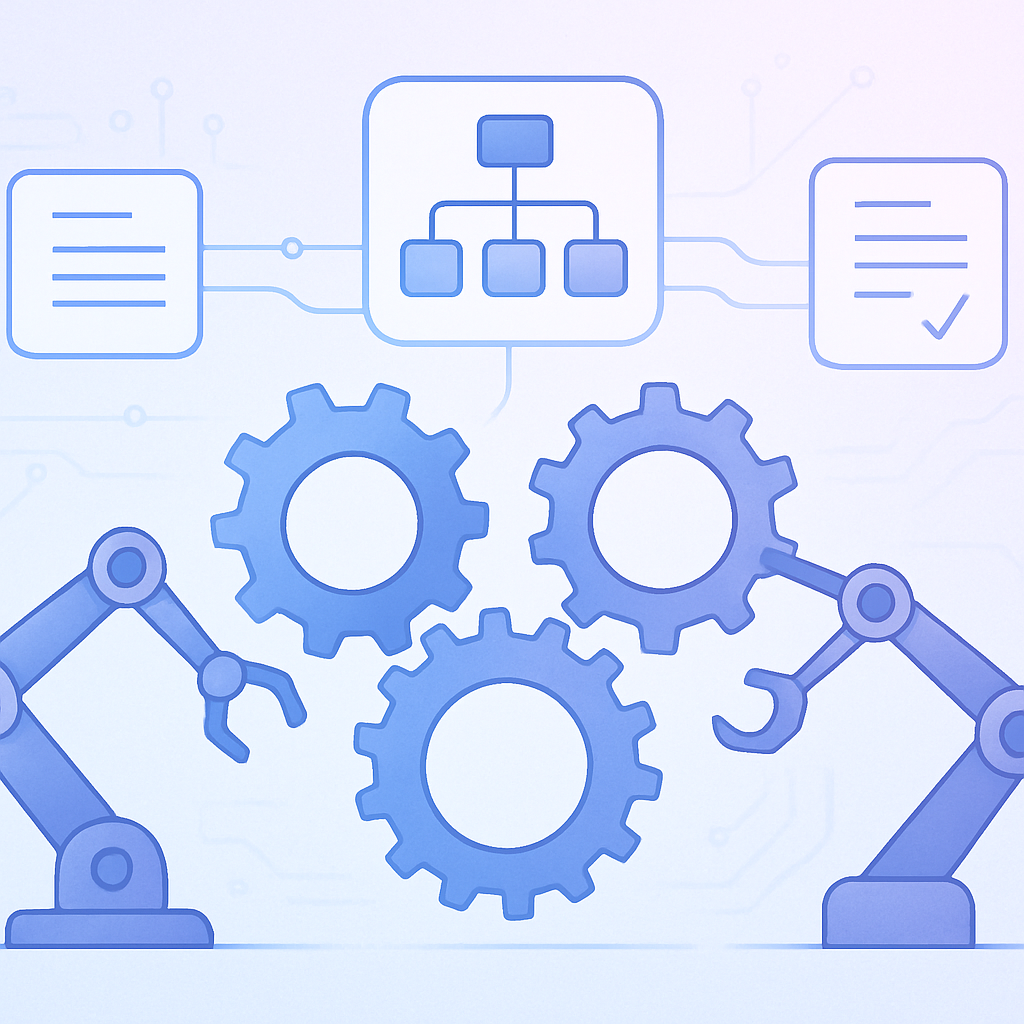
RPA stands for Robotic Process Automation. Think of it as a software robot that mimics what a human does on a computer, clicking, copying, pasting, entering data, and running reports, but without breaks, errors, or sick days.
Finance is one of the best fits for RPA because so much of the work is rule-based and repetitive. That's exactly what bots are built for.
Common Finance Tasks RPA Can Handle
- Accounts payable and receivable processing
- Bank reconciliations
- Invoice data extraction and entry
- Financial reporting and consolidation
- Tax preparation and compliance checks
- Fraud detection alerts
- Purchase order matching
- Employee expense processing
When you automate these tasks, your team stops drowning in spreadsheets and starts focusing on work that actually requires human judgment, strategy, analysis, and relationships.
The Best RPA Tools for Finance, Compared Side by Side
There's no shortage of options on the market, but not all RPA platforms are created equal. Here's a breakdown of the leading tools and how they stack up for finance teams specifically.
1. UiPath, Best for Scalability and Enterprise Use
UiPath is one of the most widely used RPA platforms in the world, and for good reason. It's powerful, highly customizable, and built to scale as your business grows.
What makes it great for finance:
- Pre-built automation templates for finance workflows
- Strong integration with ERP systems like SAP and Oracle
- AI-powered document understanding for invoices and receipts
- Full audit trails for compliance
- Cloud, on-premise, or hybrid deployment
Best for: Mid-size to large businesses with complex finance operations and IT support.
Watch out for: Licensing costs can get steep as you scale, and the learning curve is real for non-technical users.
2. Automation Anywhere, Best for AI-Powered Finance Automation
Automation Anywhere positions itself at the intersection of RPA and artificial intelligence. Its platform, called the Automation 360 Cloud, is built for businesses that want to go beyond basic automation and tap into Intelligent Automation, combining bots with machine learning and natural language processing.
What makes it great for finance:
- Intelligent document processing (think unstructured invoices and PDFs)
- Real-time analytics and performance dashboards
- Built-in compliance and security controls
- Connections with common ERP and accounting systems
Best for: Businesses ready to move into full Intelligent Automation and want AI as part of the package from day one.
Watch out for: Pricing is on the higher end, and implementation typically requires professional services support.
3. Blue Prism, Best for Regulated Industries
Blue Prism is known for being the "enterprise-grade" option, deeply focused on security, governance, and compliance. If you're in banking, insurance, or financial services where regulatory requirements are strict, Blue Prism deserves serious consideration.
What makes it great for finance:
- Exceptionally strong access controls and audit capabilities
- Designed for regulated environments from the ground up
- Central control room for managing and monitoring bots
- Integration-ready with major financial platforms
Best for: Financial institutions and enterprises in highly regulated sectors.
Watch out for: Not the most beginner-friendly platform. You'll likely need a developer or implementation partner to get started.
4. Microsoft Power Automate, Best for Small to Mid-Size Businesses
If your business already runs on Microsoft 365, Power Automate is a natural starting point. It's accessible, affordable, and deeply integrated with tools you probably use every day, Excel, SharePoint, Teams, Dynamics 365, and more.
What makes it great for finance:
- Easy to build automations without heavy coding skills
- Tight integration with Excel and Dynamics 365 Finance
- AI Builder for invoice processing and form recognition
- Low entry cost, often included in existing Microsoft 365 plans
- Large library of pre-built connectors
Best for: Small business owners, startups, and teams already using the Microsoft ecosystem who want to automate without a massive budget.
Watch out for: It has limitations when handling highly complex workflows or large-scale enterprise automation needs.
5. Nintex, Best for Process-Driven Organizations
Nintex takes a slightly different approach. It focuses heavily on process mapping and workflow automation before deploying bots. This makes it a great fit for finance teams that want to understand and optimize their processes first, then automate them.
What makes it great for finance:
- Strong process documentation and mapping tools
- Workflow automation that connects to ERP and CRM systems
- Digital forms and approvals built right in
- Good compliance and audit tracking features
Best for: Organizations that want to clean up their processes before automating them, which is honestly a smart approach.
Watch out for: Less focused on the technical depth of RPA compared to UiPath or Automation Anywhere.
How to Choose the Right RPA Tool for Your Finance Team
With so many options, picking the right tool comes down to a few key factors. Here's a simple framework to guide your decision.
Ask Yourself These Questions
- What's your budget? Power Automate is cost-effective for smaller teams. UiPath and Automation Anywhere require more investment but deliver more at scale.
- What systems do you already use? Integration matters a lot. Match your RPA tool to your existing ERP, accounting software, or cloud environment.
- How technical is your team? If you don't have developers on staff, lean toward platforms with low-code or no-code interfaces.
- How regulated is your industry? Banking and insurance firms should prioritize governance-heavy platforms like Blue Prism.
- Are you thinking short-term or long-term? If you want a tool you can grow into as AI capabilities expand, Automation Anywhere or UiPath are worth the investment.
Don't Forget Implementation Support
Choosing the tool is just step one. You'll also want to think about who's going to set it up, train your team, and maintain it over time. Many businesses partner with an Intelligent Automation firm to handle the heavy lifting, which gets you to value faster and reduces the risk of a messy rollout.
The Bigger Picture: Intelligent Automation Is No Longer Optional
Here's the honest truth that every business owner needs to hear: the technology landscape is shifting at a pace we've never seen before. AI, machine learning, and automation are changing how work gets done and raising the bar for what competitive looks like.
RPA is one piece of that puzzle. But when you combine it with AI-driven decision-making, predictive analytics, and smart workflows, you get something more powerful, Intelligent Automation. And that's where the real competitive advantage lives.
Businesses that embrace this shift are reducing operational costs, improving accuracy, scaling faster, and freeing up their people to focus on growth. Businesses that don't? They're spending more time on manual work while competitors move faster with less effort.
What Intelligent Automation Looks Like in Finance
Imagine a world where:
- Invoices are received, validated, and processed without a single human touch
- Month-end close happens in hours instead of days
- Anomalies in your financials are flagged automatically before they become problems
- Your finance team spends their time on strategic analysis instead of data entry
That's not a distant future, it's happening right now for businesses that have committed to automation. The question is whether your business will be one of them.
RPA Tools for Finance: Quick Comparison Summary
Here's a fast-reference breakdown to help you remember what each platform brings to the table:
- UiPath: Well suited to large-scale finance automation, with strong AI features
- Automation Anywhere: Best for AI-powered, Intelligent Automation from day one
- Blue Prism: Best for regulated industries requiring tight governance
- Microsoft Power Automate: Best for small to mid-size businesses in the Microsoft ecosystem
- Nintex: Best for process-focused teams that want to map before they automate
Choosing the Right Tool for Your Finance Operations
Choosing the right RPA tool is a meaningful decision, but it doesn't have to be overwhelming. The key is getting clear on your current pain points, your systems, your budget, and where you want to be in the next two to three years.
At Media & Technology Group, LLC, we help organizations cut through the noise and build automation strategies that fit how they operate. Whether you're just starting to explore RPA or you're ready to implement a full Intelligent Automation program, we're here to guide the process from start to finish.
The businesses winning right now aren't the biggest ones, they're the most adaptable. Automation is how you stay adaptive, efficient, and ready for whatever comes next.
If you want to talk through how this applies to your organization, the first consultation with Media & Technology Group is free.