July 26, 2026
Why Are Customers Leaving Without Buying?
If you're running an ecommerce store, you've almost certainly felt the frustration of watching potential sales slip away at the last moment. Studies show that the average shopping cart abandonment rate hovers around 70%, meaning roughly 7 out of every 10 shoppers who add items to their cart leave without completing a purchase. The good news? There are proven ways to reduce shopping cart abandonment, and many of them are simpler to implement than you might think.
In this post, we're walking you through five effective strategies that can help you recover lost revenue, build customer trust, and turn more browsers into buyers.
1. Simplify Your Checkout Process
One of the biggest reasons customers abandon their carts is a complicated or lengthy checkout experience. If someone has to click through five pages, fill out endless form fields, or create an account just to buy a product, you're making it too easy for them to give up.
What You Can Do
- Offer a guest checkout option. Not everyone wants to create an account. Forcing registration before purchase is a conversion killer.
- Reduce the number of form fields. Only ask for what you absolutely need to complete the order.
- Use a progress indicator. Let shoppers know how many steps are left. Knowing the end is in sight keeps people moving forward.
- Enable autofill. Make it easy for browsers to populate address and payment details automatically.
The goal is to get your customer from "add to cart" to "order confirmed" as smoothly and quickly as possible. Every extra click is an opportunity to lose them.
2. Be Transparent About Costs Early On
Here's a scenario that plays out millions of times every day: a shopper finds a product they love, adds it to their cart, and then, right at the end of checkout, they see unexpected shipping fees or taxes that weren't mentioned earlier. And just like that, they're gone.
Surprise costs are one of the leading causes of cart abandonment. In fact, unexpected shipping costs alone account for nearly half of all abandoned carts, according to the Baymard Institute.
How to Build Cost Transparency
- Display shipping costs (or a shipping calculator) on the product page or early in the checkout flow.
- Clearly communicate any taxes or fees before the final checkout step.
- Consider offering free shipping above a certain order threshold, and promote that threshold visibly throughout the shopping experience.
- If free shipping isn't an option, be upfront about your flat-rate shipping costs in your site header or banner.
When customers feel like they know exactly what they're paying, they're far more likely to complete the purchase with confidence.
3. Build Trust with Security Signals
Let's be honest, buying online still requires a level of trust. Shoppers are sharing sensitive financial information, and if your store doesn't feel secure or credible, they'll take their business elsewhere.
Trust signals are visual and contextual cues that reassure customers their data is safe and that your business is legitimate.
Trust Signals Worth Investing In
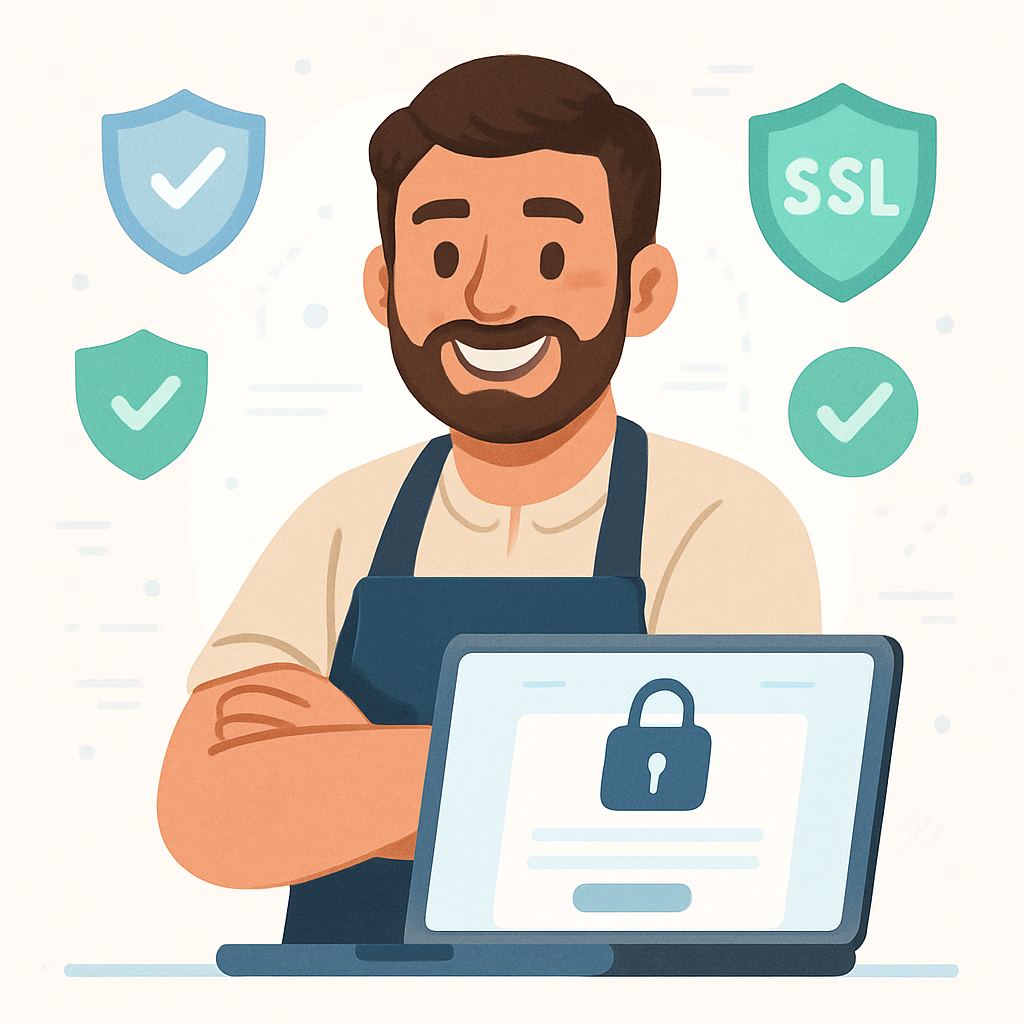
- SSL certificates: Make sure your site runs on HTTPS. A padlock icon in the browser bar matters more than you might think.
- Security badges: Display recognized security logos like Norton, McAfee, or Trustpilot near your checkout button.
- Clear return policies: Shoppers are more likely to buy when they know returns are easy. Link to your policy directly from the cart page.
- Customer reviews and ratings: Social proof is powerful. Showing that real people have purchased and enjoyed your products reduces hesitation.
- Contact information: A visible phone number, email, or live chat option tells customers there's a real business behind the website.
You don't need all of these at once, even adding a couple of strong trust signals can make a meaningful difference in your conversion rate.
4. Use Abandoned Cart Email Sequences to Reduce Shopping Cart Abandonment
Even with the best checkout experience in the world, some customers will still leave before buying. That's just reality. But that doesn't mean the sale is lost forever.
Abandoned cart emails are one of the most cost-effective tools in any ecommerce store's arsenal. When done right, they can recover between 5% and 15% of abandoned carts, which adds up quickly.
Building an Effective Email Sequence
A well-structured abandoned cart email sequence typically looks like this:
- Email 1 (1 to 2 hours after abandonment): A gentle reminder. Keep it friendly and assume the best, maybe they just got distracted. Include an image of the product they left behind and a clear call-to-action button to return to their cart.
- Email 2 (24 hours later): Add a little urgency. Mention limited stock if applicable, or highlight key benefits of the product they were considering.
- Email 3 (48 to 72 hours later): Consider including a small incentive, like a discount code or free shipping offer, to nudge them over the finish line.
Keep the tone friendly and helpful rather than pushy. You're not chasing them, you're just making it easy for them to come back.
5. Optimize for Mobile Shoppers
Mobile commerce is no longer a trend, it's the norm. More than half of all ecommerce traffic now comes from mobile devices. If your checkout experience isn't smooth on a smartphone, you're leaving a significant chunk of potential revenue on the table.
Mobile Checkout Best Practices
- Use large, tappable buttons. Small buttons that are hard to press lead to frustration and drop-off.
- Minimize typing. Offer mobile payment options like Apple Pay, Google Pay, or Shop Pay so customers don't have to enter card details manually.
- Optimize page load speed. Mobile users are less patient with slow pages. Use tools like Google PageSpeed Insights to identify and fix speed issues.
- Test your checkout on multiple devices. What looks great on a desktop may be a mess on a smaller screen. Regular testing is essential.
A poor mobile checkout experience costs real revenue. Treat mobile optimization with the same priority you give your desktop store.
Putting It All Together
Reducing cart abandonment doesn't require a complete overhaul of your store overnight. In fact, the most effective approach is to start with one or two strategies, measure the impact, and build from there.
Here's a quick recap of the five strategies we've covered:
- Simplify your checkout process
- Be transparent about costs from the start
- Build trust with security signals
- Set up an abandoned cart email sequence
- Optimize for mobile shoppers
Each of these changes speaks directly to a real reason customers leave, and fixing even one of them can have a noticeable impact on your bottom line. Together, they create a checkout experience that earns customer confidence and makes it easy to say yes.
If you're not sure where to start, get in touch with us today and we can help you audit your current checkout experience and identify your biggest opportunities for improvement.