June 12, 2025
What Bounce Rate Actually Means for Your Business
A high bounce rate is one of the clearest signs that your website is losing visitors before they do anything useful. If you want to reduce bounce rate, you need to understand what it measures first: the percentage of visitors who land on a page and leave without clicking to another page on your site. Google Analytics 4 defines it as the inverse of engagement rate, but the practical meaning is the same. Someone arrived, looked around briefly, and left.
That matters because bounced visitors rarely become customers. They did not fill out a form, browse your services, or read enough to trust you. Every bounce is a missed conversation.
Not every bounce signals a problem, though. A visitor who reads your entire contact page and then calls you still counts as a bounce in most analytics setups. Context matters. The goal is not to chase a magic number but to understand why people are leaving and fix the real causes.
What Counts as a Good or Bad Bounce Rate
Bounce rates vary widely by industry and page type. A blog post typically sees higher bounce rates than a product page because readers finish the article and close the tab. A homepage or services page that bounces 80% of visitors is a problem worth solving.
As a rough guide:
- Below 40%: Strong engagement, especially for service or product pages
- 40% to 60%: Acceptable for most business websites
- 60% to 80%: Worth investigating, particularly on key conversion pages
- Above 80%: Usually a sign of a mismatch between what visitors expected and what they found
Compare your bounce rate against the specific page type rather than your site average. Mixing homepage data with blog data gives you a number that is hard to act on.
The Most Common Reasons Visitors Leave Immediately
Slow Page Load Speed
Page speed is the fastest way to lose a visitor. Studies from Google's own research have shown that as page load time increases from one to three seconds, the probability of a bounce increases significantly. People will not wait. They hit the back button and find a competitor.
Run your site through Google PageSpeed Insights or GTmetrix. Look at your Largest Contentful Paint (LCP) score. If your main content takes more than 2.5 seconds to load, that is where you start. Common fixes include compressing images before uploading, removing unnecessary third-party scripts, and switching to a faster hosting plan.
Poor Mobile Experience
Most small business website traffic now comes from phones. If your site is hard to read on a small screen, visitors leave fast. Check your analytics for mobile vs. desktop bounce rates. If mobile is significantly higher, the problem is almost certainly layout or load speed on smaller connections.
Specific things to check on mobile:
- Text size: body text should be at least 16px
- Button tap targets: links need enough space around them to tap accurately
- Horizontal scrolling: nothing should push the layout wider than the screen
- Pop-ups that cover the full screen on mobile often trigger Google penalties and definitely annoy visitors
Mismatched Expectations
When someone clicks an ad or search result promising one thing and lands on a page that delivers something different, they leave. This is one of the most overlooked causes of high bounce rates on small business websites.
If your Google ad says "same-day plumbing repairs" and the landing page leads to a general services overview, visitors will not go hunting for the relevant section. They will hit back and click the next result. Match the message on the page to the exact promise in the link, ad, or search result that brought them there.
Confusing Navigation and Layout
Visitors should be able to figure out what your business does, who it serves, and what to do next within a few seconds of arriving. If the navigation is cluttered, the headline is vague, or the page has no clear next step, people leave rather than work to understand you.
A clear page structure follows a simple pattern: what you do, who it is for, why it matters, and what to do now. That does not need to be long. It needs to be specific.
Practical Ways to Reduce Bounce Rate on Key Pages
Improve Your Above-the-Fold Content
"Above the fold" refers to everything visible before a visitor scrolls. This section does the most work. It needs to confirm to the visitor that they are in the right place.
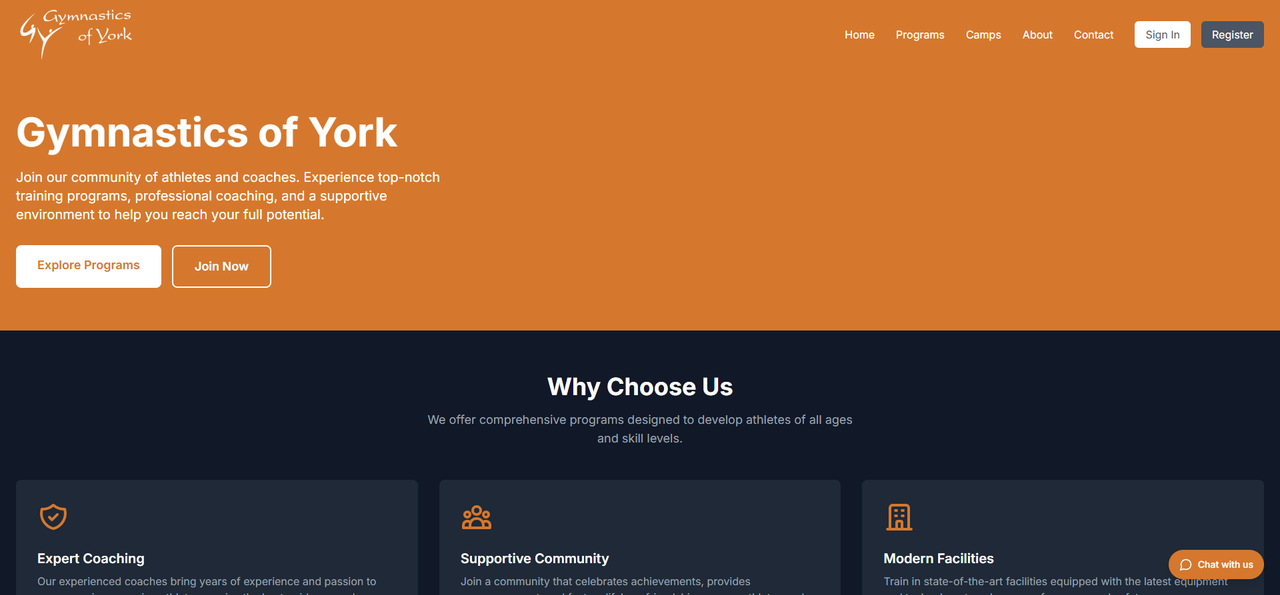
Your headline should describe the outcome you provide, not your company name or a generic slogan. "Custom Landscaping for Chicago Homeowners" tells a visitor exactly what you do and whether they qualify. "Welcome to Green Gardens" tells them almost nothing.
Pair a strong headline with a short subheading that adds one specific detail, and a clear call to action button. That combination gives visitors a reason to stay and something to do.
Use Internal Links to Guide Visitors Deeper
Every page on your site should point visitors toward a logical next step. A blog post about choosing the right accountant should link to your accounting services page. A services page should link to case studies or a contact form. When visitors have obvious places to go, they are more likely to go there instead of leaving.
Place internal links where they make sense in context, not just in a sidebar or footer. Inline links within body text tend to get more clicks because they appear at the moment of relevance.
Make Your Calls to Action Specific
Generic calls to action underperform. "Learn More" and "Click Here" give visitors no reason to act. "Get a Free Quote in 2 Minutes" or "See How It Works" tell the visitor what they will get and why it is worth their time.
Each key page should have one primary call to action. When a page has five equally prominent buttons, visitors often choose none of them. Pick the action that matters most on that page and make it obvious.
Add Social Proof Near the Top of the Page
New visitors do not know you yet. A brief testimonial, a recognizable client logo, or a review rating near the top of the page gives them a reason to trust that your business delivers. This reduces the instinct to leave and look for a more familiar name.
Keep social proof short and specific. A quote that says "They fixed our plumbing in three hours when another company had us waiting a week" is more convincing than "Great service, highly recommend."
Fix Broken or Irrelevant Landing Pages
If you are running paid ads or email campaigns, check that the destination page matches the campaign. A common mistake is sending ad traffic to the homepage instead of a page built specifically for that offer or audience. A dedicated landing page with a focused message and a single call to action will almost always outperform a general page.
How Site Design Affects Whether People Stay
Design affects trust before a visitor reads a single word. A site that looks outdated, is hard to scan, or uses low-quality images signals that the business behind it may not be reliable. That perception forms in under a second.
You do not need an expensive redesign to address this. Start with the basics:
- Use consistent fonts and colors across every page
- Remove clutter: fewer elements on the page usually means more attention on what matters
- Use real photos of your team or work where possible, rather than generic stock images
- Make sure your contact information is easy to find, ideally in the header and footer
Design choices that make a page easier to scan also help visitors find what they came for. Use short paragraphs, descriptive subheadings, and enough white space that the page does not feel crowded. A wall of text drives people away even when the content itself is useful.
Measuring Your Progress
Set Up Proper Tracking Before You Start
You cannot improve what you cannot measure. Before making changes, make sure Google Analytics 4 is installed and configured correctly. GA4 tracks engagement rate rather than bounce rate directly, but you can find session and bounce data in the reports under "Pages and screens."
Set up conversion events for the actions that matter most: form submissions, phone number clicks, file downloads, or purchases. This way you can see not just whether people stay, but whether they do anything valuable while they are there.
Run Changes One at a Time
When you change multiple things on a page at once, you cannot tell which change moved the needle. Pick one variable: the headline, the call to action text, or the page layout. Give it two to four weeks depending on your traffic volume, then measure the result before moving on to the next test.
This is slower than making a batch of changes, but it produces information you can actually use. You end up with a site that improves systematically rather than one that changes randomly.
Focus on Pages That Drive Revenue
Improving bounce rate across every page on your site is not the right goal. Concentrate on the pages that sit closest to a purchase or inquiry: your homepage, your main service or product pages, and any landing pages tied to paid campaigns. A 10% improvement in bounce rate on a page that generates leads has far more impact than the same improvement on a blog post from three years ago.
One Last Thing
Reducing your bounce rate is not a one-time project. Traffic sources shift, visitor expectations change, and pages that performed well last year may underperform today. Build a habit of checking your top pages quarterly, looking at engagement alongside bounce data, and making small improvements based on what you find. The businesses that maintain strong engagement over time are the ones that treat their website as a working tool, not a finished product.
If you want a clearer picture of what is driving visitors away from your site, book your free first consultation with us and we will walk through the data together.